

Searching for Silence
Can you hear that?

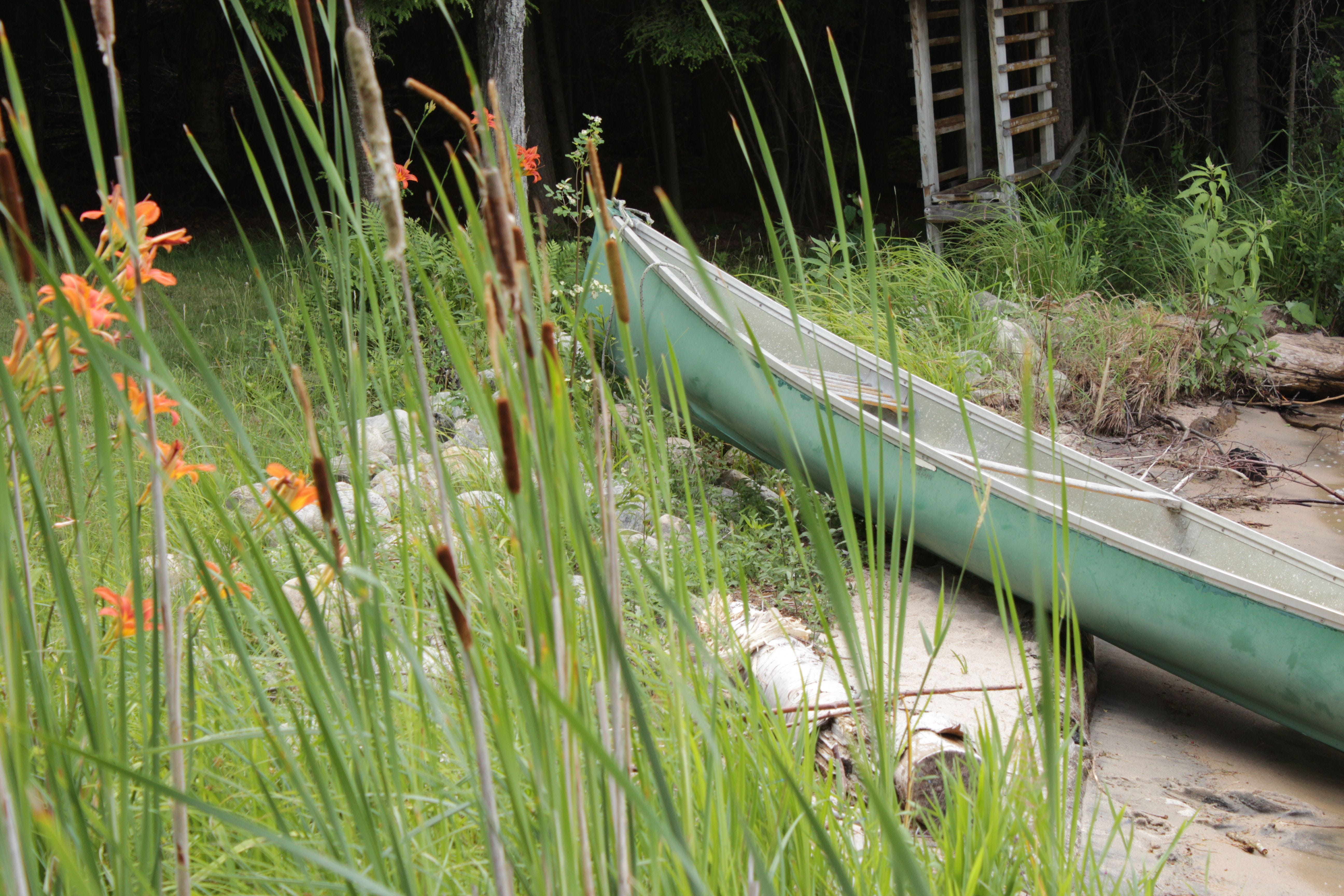
I tell myself I’m going to ready the cottage. That’s what I say when anyone asks—when my wife raises an eyebrow at the packed duffel, when I load the dogs into the back seat with more care than usual, when I turn the key in the ignition and feel something in my chest loosen before I’ve even left the driveway. I’m going to open the blinds and sweep out the winter’s accumulation of dust and dead flies and trapped mice. I’m going to determine how much damage the ice and high water levels caused. But I can’t let myself get overwhelmed. The whole place needs to be aired out. I’m going to check the dock, test the pump, make sure the faucets are running clear. I’m going to prepare the place for what it will become in a week or so: a carnival of voices, the beautiful bedlam of extended family, children’s (now grown) laughter ricocheting off the lake, the screen door slapping its rhythm against the frame from dawn until well past dark.
This is the story I tell. It isn’t untrue. I will do these things. But beneath that practical narrative runs another current, one I’m reluctant to admit even to myself until I’m an hour north of the city and the highway noise begins to thin, until the billboards give way to granite outcroppings and the first glimpses of water appear between the trees like promises. I’m going for the silence. I’m going to practice the nearly forgotten skill of listening to nothing but my own thoughts, the whisper of pages turning, the particular quality of stillness that exists only when you’re alone with work that matters and time enough to do it properly.
We’ve lost this, haven’t we? The ability to be quiet. Not just the absence of sound—any fool can find that with a good pair of noise-canceling headphones—but the deeper quiet that comes from turning away from the world’s insistent clamor and turning inward instead. It’s a skill, this silence. It requires practice, intention, the kind of deliberate cultivation we usually reserve for more tangible pursuits. You have to build it the way you’d build anything worth having: carefully, with attention, knowing that the world will try to tear it down the moment you look away.
The cottage reveals itself as it always does, gradually, like a secret being shared. The last turn off the main road, the gravel drive that needs raking, the sudden opening where the trees part and there it is: weathered grey boarding, shutters still closed against winter, the dock extending into water so still it looks like hammered pewter in the late afternoon light. The dogs know before I’ve even stopped the car. They’re whining, dancing in the back seat, ready to reclaim their summer kingdom.
I let them out first. They explode into the clearing, all joy and muscle, racing down to the water’s edge where they’ll spend the next ten minutes investigating every scent, every change that’s occurred since we were last here. I stand by the car and breathe. Just breathe. Not too long . . . the black flies love me. Already I can feel it beginning—that subtle shift in my nervous system, the way my shoulders drop, the way my jaw unclenches. The silence here isn’t empty. It’s full. Full of bird song and wind in the pines and the gentle lap of water against rock. Full of space for thought.
Inside, the cottage smells of closed-up places, of wood and old wool blankets and the faint mineral scent of the lake. I open windows, prop the door, let the spring air move through. The dogs settle quickly, finding their spots—one by the door, one in the patch of sunlight near the fireplace. They understand this place, its particular rhythms. They know that here, unlike in the city, there’s no urgency, no schedule to keep. Here, time moves differently.
I unpack the manuscript first, before the groceries, before my clothes. Three hundred pages that I’ve printed. My agent is waiting. Not impatiently—she’s good that way—but waiting nonetheless. These pages represent five years of work, of early mornings stolen before the day’s demands began, of weekends sacrificed, of a world and its people that have lived in my head so long they feel more real than some of my actual memories. They need attention now. They need me to read them with fresh eyes, to find the places where the seams show, where the music falters, where I’ve been lazy or unclear or too much in love with my own cleverness.
This is work that requires silence. Not just quiet, but silence—the kind of deep, uninterrupted attention that’s become almost impossible in ordinary life. At home, there are emails and phone calls and the siren song of social media, the garbage that needs taking out, the bills that need paying, the hundred small urgencies that fragment the day into useless shards. Here, I have four days. Four days where the only voices will be the ones on the page, the only demands the ones I place on myself.
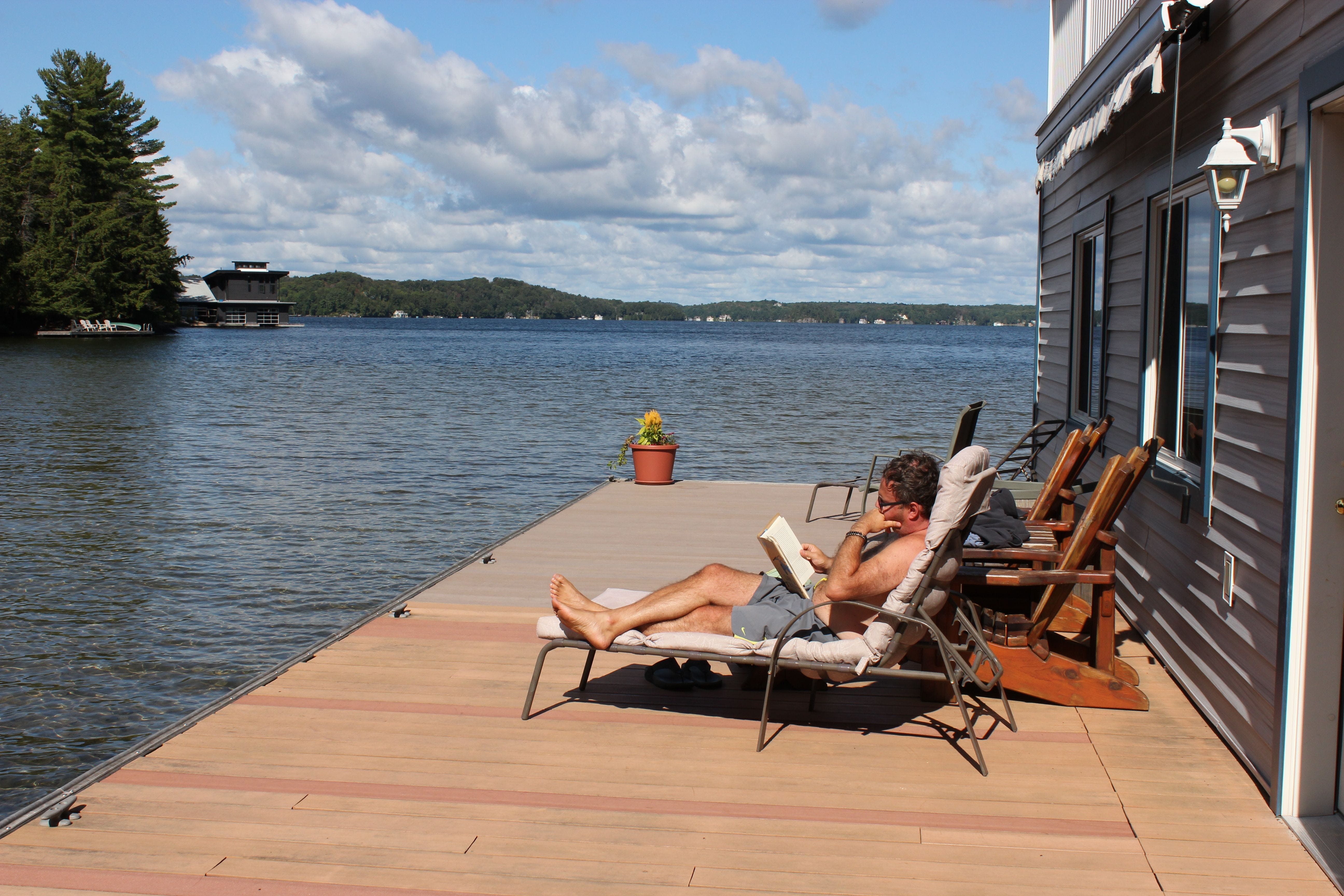
I read on the screened porch or what we call the Muskoka room, in a big old swivel recliner that’s molded itself to different bodies over the years. The dogs doze at my feet or on the couch. A breeze moves through, carrying the scent of warming earth and pine needles and something green and growing. I read slowly, pen in hand, making notes in the margins, questioning every choice, every word. The characters speak to me differently here. I can hear them better, can sense the places where I’ve made them say things they wouldn’t say, do things that serve my plot rather than their truth.
Hours pass. The light changes. I look up and realize I’ve been reading for so long my neck is stiff, my hand cramped around the pen. But I’m not tired. I’m alive in a way I haven’t been in months. This is what I came for—this immersion, this complete absorption in the work. This is the luxury that silence affords: the ability to hold an entire world in your head at once, to move through it without interruption, to make the small adjustments and corrections that can only happen when you’re paying complete attention.
The dogs need walking, which up here simply means letting them out to roam. We go down by the lake in the late afternoon or walk through the woods unleashed, when the light turns everything golden. A deer watches us from the tree line, utterly still except for the flick of its ears. The dogs don’t see. Thank God. It would turn into a chase—they haven’t learned this dance yet, this mutual tolerance. We’re all visitors here, all guests in a place that belongs to itself. I distract them by throwing sticks into the water and watch the dogs (well, at least one of them) plunge after them, his joy so pure and uncomplicated it makes my chest ache.
That night, I eat simple food—vegetable soup that reminds me of my mother, bread—and return to the manuscript. I read in the boathouse by lamplight, the windows open to the night sounds: spring peepers in full chorus, the occasional splash of a fish or mink, the wind moving through the trees like breath. The silence here isn’t absence. It’s presence. It’s the sound of the world being itself without human interference, without our constant need to fill every space with noise and distraction.
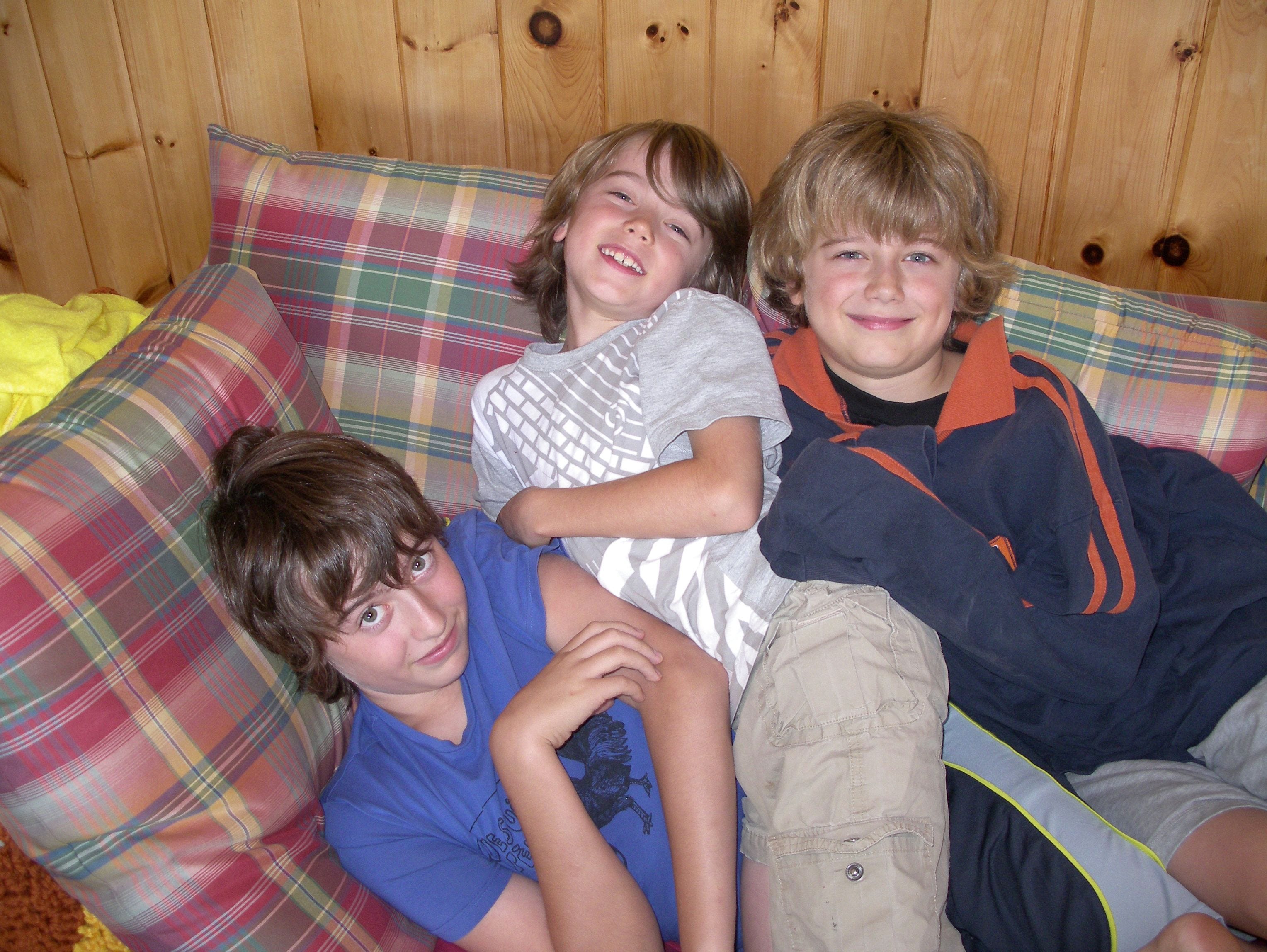
I think about the summer to come, when this place will be transformed. My sister’s family, my boys’, my in-laws, niece and nephew, all of them loud and alive and demanding. There will be games and arguments and elaborate meals, towels everywhere, wet footprints and lots of sand on the floor, someone always needing something. It will be wonderful . . . I say to myself. I do love the way they fill this place with their energy and chaos.
But I also love this—this solitary time, this silence that allows me to hear myself think. There’s no virtue in one over the other. We need both. We need the connection and the solitude, the noise and the quiet, the giving of ourselves to others and the taking back of ourselves for our own purposes.
The second morning, I wake before dawn. The dogs stir but don’t rise—they know it’s too early even for them. I make coffee and take it down to the dock, wrapping myself in a blanket against the chill. The lake is perfectly still, wrapped in mist that hovers just above the surface like a held breath. I sit and watch as the light changes, as the world reveals itself degree by degree.
Then it happens—that moment I’ve been waiting for without knowing I was waiting. A fish breaks the surface, leaping clear of the water in a perfect arc before splashing back down. Then another. And another. They’re feeding, or playing, or doing whatever it is fish do in the private hours before humans are usually awake to witness. Each leap breaks the silence, breaks the mirror of the lake, sends ripples spreading outward in perfect circles that intersect and overlap and create patterns too complex to follow. I know that it must now be written into my book . . . I need to include this scene in an almost transformative way.
I watch until my coffee grows cold, until the mist begins to burn off and the day asserts itself. This is what silence gives you: the ability to notice. To see the fish leap, to hear the particular call of the loon, to observe the way light moves across water. These small moments that we miss when we’re too busy, too distracted, too caught up in the noise of our own making.
Back inside, I return to the manuscript. I’m in the middle section now, the difficult part where the story threatens to sag, where I need to make sure the tension holds, where every scene needs to earn its place. This is painstaking work, the kind that requires patience and a clear head. The silence helps. It allows me to hold the entire narrative arc in my mind, to see how each piece fits, to make the small adjustments that will strengthen the whole.
The days develop their own rhythm. Morning reading on the dock or porch. Afternoon work on the manuscript. Evening walks with the dogs. Simple meals. Early to bed with a book that isn’t my own, something I can read for pleasure without the critical eye I bring to my own work. The dogs are perfect companions for this—present but undemanding, content to simply be near me, to share the space without needing to fill it with conversation.
On the third day, I actually do some of the work I claimed I came to do. I rake the dock, clear the gutters, sweep out the accumulated debris of winter, clean up the flower beds. But even this feels different here, feels less like chore and more like meditation. The repetitive motion, the physical labor, the tangible results—there’s something satisfying about it, something that balances the cerebral work of revision.
A neighbor paddles by in a kayak, waves but doesn’t stop to chat. This is understood here, this respect for solitude. We’re all seeking the same thing, all trying to carve out space for quiet in a world that’s forgotten how to value it. The wave is enough—an acknowledgment, a moment of connection that doesn’t require more.
By the fourth day, just as a looming storm is about to break, I’ve read the entire manuscript. I’ve made my notes, identified the weak spots, seen where the work needs to be done. I feel ready now, ready to send it to my agent with confidence, ready to hear her thoughts and begin the next phase of revision. But more than that, I feel restored. The silence has done its work. It’s reminded me why I do this, why I write, why I need these stretches of uninterrupted time to think and create and be. How timely that my last evening there ends with a tumultuous storm that howls against the boathouse and cottage, whipping the deck chairs across the dock and creating whitecaps on the lakes calm.
The drive back to the city feels too short. The dogs sense it too—they’re restless in the back seat, reluctant to leave. I understand. I’m carrying the silence with me now, holding it inside like a secret, like a resource I can draw on when the noise becomes too much. Because it will become too much. That’s the nature of the world we’ve built, the lives we lead. The emails will pile up, the demands will reassert themselves: grass to be cut, backyard to be cleaned, house to tidy up, the grind will grind.
But I’ve learned something, or remembered something I once knew: silence is a skill, and like any skill, it can be practiced. You don’t need four days at a cottage in Muskoka, though that helps. You need the intention, the willingness to turn away from the noise, to create space—even small spaces—for quiet and contemplation and thought.
The cottage will be there, waiting. Next week it will fill with voices and laughter and the beautiful chaos of family. I’ll love that too, I convince myself that I’ll throw myself into it with the same intensity I brought to the silence. But I’ll also remember these four days, will hold them close, will know that the silence is always there, waiting, if I’m willing to seek it out. You see, this is the gift: not the absence of noise, but the presence of self. Not the escape from life, but the return to it, renewed and ready. The silence doesn’t take us away from the world. It prepares us to meet it again, to engage with it fully, to bring our best selves to the noise and chaos and beautiful mess of living.
I carry it with me now, this silence. It’s mine to keep.
I love this. I just spent there days at a silent place with another writer and what a retreat it was, silence, but for the train that passed in the middle of the night, but even then it was quiet, you know? Thanks for this moment of quiet Anthony.